Older homes in Edmonton often have character, solid construction, and features that are difficult to find in newer properties. But as a home ages, its electrical system may not keep up with modern appliances, technology, and the amount of electricity a household uses today.
Electrical wiring, panels, outlets, and safety devices can deteriorate over time or become outdated. In some cases, a system that was perfectly adequate when a home was built may no longer provide the capacity or protection needed for modern living.
For Edmonton homeowners, recognizing common electrical problems in older homes can help prevent unexpected failures and identify potential safety concerns before they become more serious.
In this guide, we’ll look at eight common electrical problems found in older Edmonton homes, what causes them, and when it makes sense to have an Edmonton electrician inspect or repair the system.
Why Older Homes in Edmonton May Have Electrical Problems
The electrical systems in older homes were designed for a very different lifestyle.
Decades ago, a typical household used electricity for basic lighting, refrigerators, televisions, and a limited number of appliances. Today, homes may have multiple computers, large televisions, home entertainment systems, dishwashers, microwaves, air conditioners, electric vehicles, high-powered kitchen appliances, and many other devices running throughout the day.
As electrical demand has increased, some older homes have not received the upgrades necessary to support modern electrical loads.
Age is another factor. Electrical components can deteriorate over time, particularly when wiring has been exposed to heat, moisture, physical damage, or repeated electrical stress.
Renovations can also create problems when new wiring is connected to an older electrical system without addressing the condition or capacity of the existing infrastructure.
Alberta’s electrical requirements have also evolved over the years, and the province currently has the 2024 Canadian Electrical Code, Part 1, in force. The province currently has the 2024 Canadian Electrical Code, Part 1, in force, while older homes may have been constructed under earlier versions of the code.
This does not automatically mean an older home is unsafe simply because it was built under an older code. However, significant renovations, electrical upgrades, or changes to an electrical system may require professional assessment and compliance with current requirements.
8 Common Electrical Problems in Older Homes
1. Outdated Electrical Panels
The electrical panel is the central point where electricity enters the home and is distributed to individual circuits.
Older Edmonton homes may have electrical panels that were designed for much lower electrical demand than modern households require. A panel may also have outdated components, insufficient capacity, or signs of wear.
Common warning signs include:
- Breakers that trip frequently
- A panel that feels unusually warm
- Buzzing or crackling sounds
- Burning or unusual smells
- Rust or visible corrosion
- Flickering lights when major appliances operate
- A lack of available breaker spaces
- Frequent reliance on extension cords or power strips
A panel that is consistently overloaded can indicate that the home’s electrical system needs a closer assessment.
Depending on the home’s electrical requirements and the condition of the existing equipment, the appropriate solution may range from repairing or replacing individual components to completing an electrical panel upgrade.
A professional electrician can determine whether the existing panel is suitable for the home’s current and planned electrical demand.
2. Old or Deteriorating Wiring
Electrical wiring is installed inside walls, ceilings, and other parts of a home, so homeowners may not notice its condition until a problem appears.
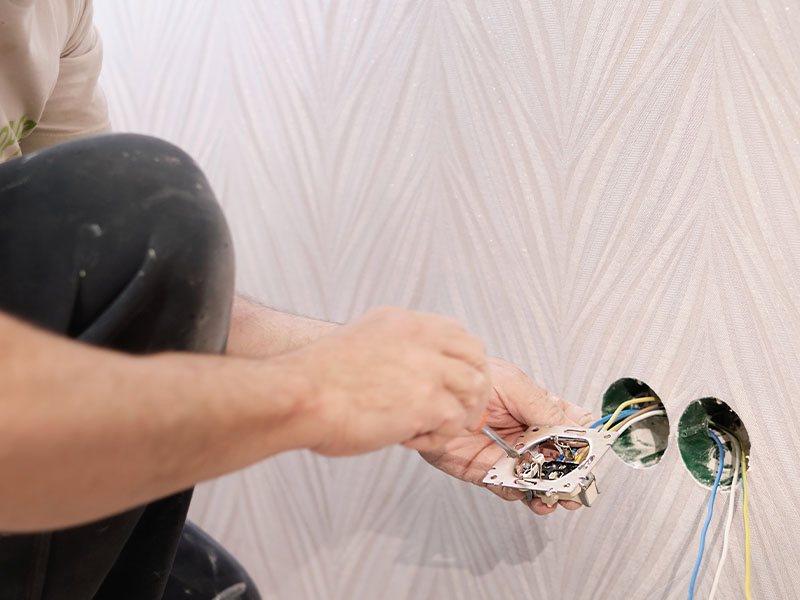
Older wiring can deteriorate due to age, heat, moisture, physical damage, or previous modifications. In some homes, electrical work may also have been completed over several decades, resulting in a mixture of older and newer wiring.
Warning signs can include:
- Frayed or damaged wires
- Burning smells
- Discoloured outlets or switches
- Warm electrical outlets
- Sparks when plugging in appliances
- Flickering lights
- Repeated breaker trips
- Electrical shocks or tingling sensations from appliances or fixtures
If wiring is suspected to be damaged or deteriorating, homeowners should avoid attempting to repair it themselves. Electrical troubleshooting and wiring repairs should be performed by a qualified professional.
Depending on the situation, the solution could involve repairing a specific circuit, replacing damaged wiring, or rewiring portions of the home.
3. Flickering or Dimming Lights
Occasional changes in brightness can happen for several reasons, but persistent flickering or dimming should not simply be ignored.
Lights may flicker when a large appliance starts, particularly if the electrical system is under significant load. However, loose connections, overloaded circuits, faulty fixtures, wiring problems, or other electrical issues can also cause flickering.
Pay attention to when the problem occurs.
For example, if lights consistently dim when a furnace, microwave, or other high-demand appliance turns on, an electrician may need to evaluate the circuit and electrical system.
If several lights throughout the house flicker at the same time, the issue may be more significant than a single defective light fixture.
An electrician can troubleshoot the circuit, inspect connections, and determine the appropriate repair.
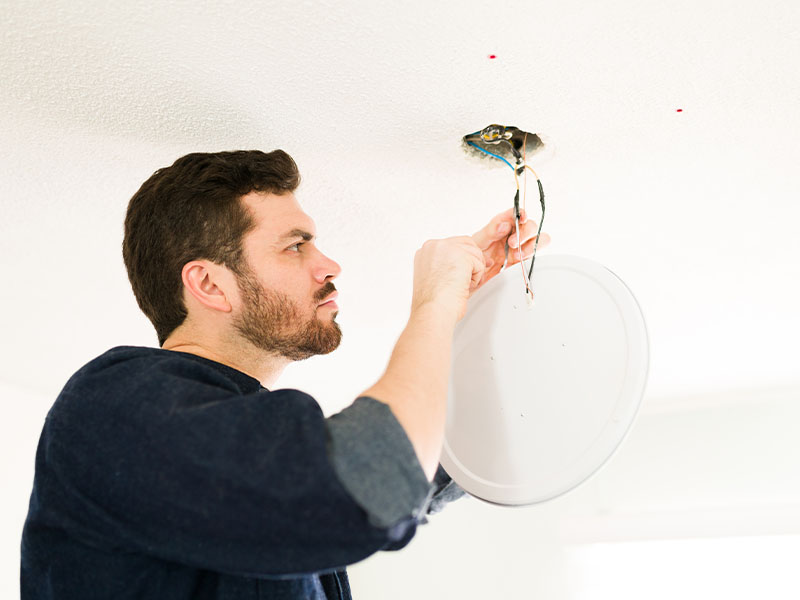
4. Frequently Tripping Breakers
Circuit breakers are designed to interrupt power when a circuit experiences conditions such as excessive current.
Occasional breaker trips can happen when too many high-powered devices are operating on the same circuit. However, a breaker that trips repeatedly can indicate an underlying electrical problem.
Possible causes include:
- An overloaded circuit
- A short circuit
- A faulty appliance
- Damaged wiring
- A defective breaker
- An electrical system that no longer meets the home’s demands
Repeatedly resetting the breaker without identifying the cause is not a long-term solution.
If the same breaker continues to trip, unplug unnecessary loads and have the circuit inspected by a qualified Edmonton electrician.
5. Too Few Electrical Outlets
Older homes were designed when households used far fewer electrical devices.
As a result, some older Edmonton homes have fewer outlets than modern homeowners need. This can lead to extension cords, power strips, and overloaded receptacles becoming a permanent part of everyday life.
For example, a modern home office might require power for:
- A computer
- Monitors
- A printer
- Speakers
- Phone chargers
- Networking equipment
- Desk lighting
Similarly, modern kitchens can have several high-powered appliances operating in the same general area.
Adding electrical outlets can make a home more convenient, but simply installing additional receptacles is not always enough. The electrician also needs to determine whether the existing circuits can safely support the additional electrical load.
Depending on the home, adding outlets may involve installing new circuits or upgrading portions of the wiring system.
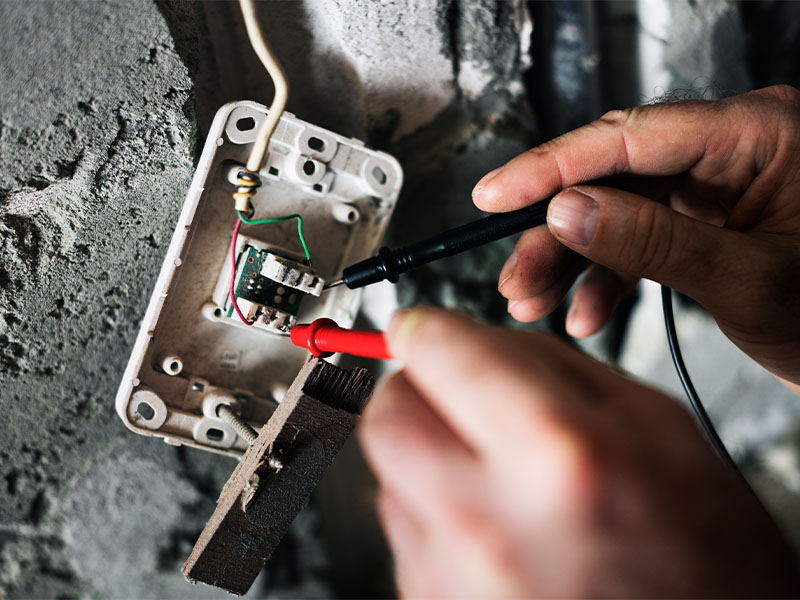
6. Ungrounded Outlets
Some older homes may still have two-slot electrical receptacles without a grounding connection.
Grounding provides an important path for electrical current under certain fault conditions and is an important part of modern electrical safety.
An ungrounded outlet can become particularly concerning when homeowners use modern electronics or appliances that are designed to be connected to a grounded receptacle.
If you discover two-slot outlets in an older Edmonton home, don’t simply replace them with three-slot receptacles without checking the wiring. Installing a three-slot outlet does not automatically create a proper grounding connection.
A qualified electrician can inspect the circuit and determine the appropriate solution based on the existing wiring and applicable electrical requirements.
7. Aluminum Wiring
Some homes built during periods when aluminum wiring was commonly used may contain aluminum branch-circuit wiring.
Aluminum wiring itself is not automatically an indication that a home is unsafe. However, connections between aluminum conductors and devices or terminals require appropriate methods and compatible components.
Problems can occur when connections are improperly installed, become loose, or are made using components that are not suitable for the wiring.
Homeowners should consider having aluminum wiring professionally identified and assessed, particularly when buying an older home or planning renovations.
An electrician can inspect accessible connections and determine whether repairs, approved connectors, device replacements, or other measures are appropriate.
Do not attempt to modify aluminum wiring yourself. Electrical connections involving different conductor materials require proper techniques and compatible equipment.
8. Lack of GFCI Protection
Ground-fault circuit interrupters, commonly called GFCIs, are designed to help protect people from electric shock by interrupting power when they detect a ground fault.
Older homes may not have the level of GFCI protection found in newer electrical installations.
GFCI protection is particularly important in areas where electricity and water may come into close contact, such as:
- Bathrooms
- Kitchens
- Laundry areas
- Garages
- Outdoor receptacles
- Other potentially wet locations
If an older home has outlets in these areas without appropriate protection, an electrician can assess the installation and determine what upgrades may be needed.
GFCI protection is an important part of residential electrical safety, but the correct solution depends on the circuit, location, wiring configuration, and applicable requirements.
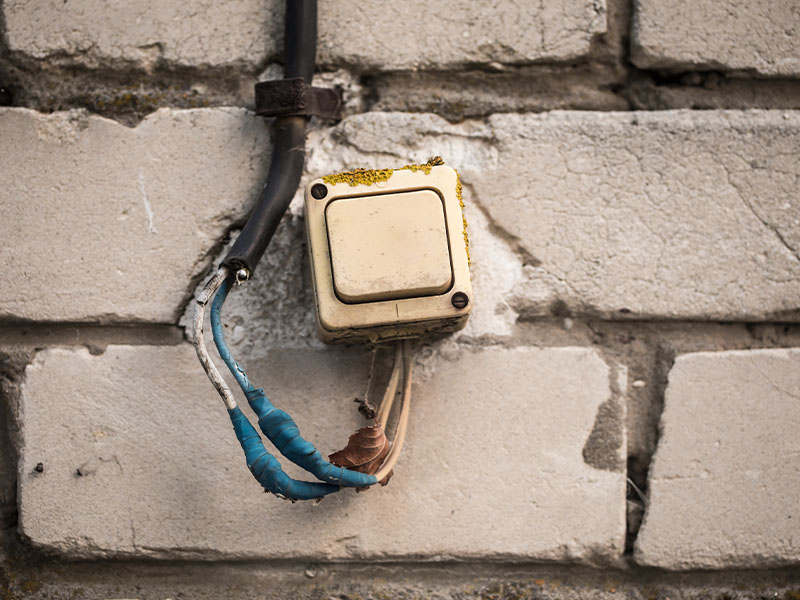
Are Electrical Problems in Older Homes Dangerous?
Not every electrical issue in an older home represents an immediate danger. However, some problems can increase the risk of electric shock, equipment damage, overheating, or electrical fires if they are left unresolved.
The important distinction is between an older electrical system and a defective electrical system.
A home can be decades old and still have a well-maintained electrical system. Conversely, a relatively newer home can have electrical problems caused by damage, improper modifications, overloading, or poor workmanship.
Homeowners should take electrical warning signs seriously, especially when they notice:
- Burning or melted plastic smells
- Smoke or visible sparks
- Hot outlets or switches
- Discoloured electrical components
- Buzzing or crackling sounds
- Repeated breaker trips
- Electrical shocks or tingling
- Exposed or damaged wiring
- Lights that repeatedly flicker or dim
- Water coming into contact with electrical equipment
If there is smoke, an active electrical fire, or an immediate safety emergency, leave the area and contact emergency services as appropriate. For non-emergency electrical concerns, a qualified electrician can investigate the cause before the problem becomes more serious.
When Should You Call an Edmonton Electrician?
Some electrical problems are easy to notice, while others remain hidden behind walls, ceilings, outlets, and electrical panels.
You should consider contacting an Edmonton electrician when:
You’re Buying an Older Home
An electrical inspection can help identify outdated panels, questionable wiring, insufficient circuits, ungrounded outlets, and other potential issues before or after purchasing a property.
Your Home Has Frequent Electrical Problems
Repeated breaker trips, flickering lights, warm outlets, or unexplained power interruptions deserve professional attention.
You’re Planning a Renovation
Basement development, kitchen renovations, additions, and other major projects can significantly increase electrical demand.
Before adding new lighting, outlets, appliances, or rooms, it is useful to understand whether the existing electrical system can support the planned changes.
You’re Adding High-Powered Equipment
Installing equipment such as an electric vehicle charger, large appliances, workshop equipment, or other high-demand electrical loads may require a new circuit or electrical service assessment.
You Notice Signs of Electrical Damage
Burning smells, visible damage, sparking, heat, buzzing, or exposed wiring should not be treated as normal wear and tear.
Can Electric provides residential electrical services in Edmonton, including electrical repairs and troubleshooting, electrical panel upgrades, service upgrades, wiring, and electrical inspections.
How an Electrical Inspection Can Help
An electrical inspection provides homeowners with a clearer picture of the condition of their home’s electrical system.
Rather than waiting for a noticeable failure, an electrician can evaluate key components and identify potential co