In this article, we will focus on:
- What an electrician is?
- Electricians’ duties & tasks
- What skills and abilities make a better and qualified electrician?
- Electrician apprenticeship and electrician certifications
- Electrician working environments and electrician training
- Master electricians and how to become an electrician
- Residential electricians (what is a residential electrician?)
- Commercial electricians (what is a commercial electrician?)
- Electrician apprenticeship certifications, programs, and requirements
- Frequently asked questions about electricians
Electrician (What is an Electrician?)
An electrician is a tradesperson who specializes in electrical installations, wiring, maintenance, and repairs for electrical devices and machines, equipment, and systems pertaining to power distribution, transmission, and generation.
AN electrician also prepares, assembles, and tests electrical devices, wiring, fixtures, control systems, fire alarms, circuit breakers, panels, switchgears, transformers, ceiling fans, fuses, switches, outlets, generators, motors, and any other electrical device.
An electrician’s responsibility also includes reading blueprints, manufacturing instructions, technical diagrams, etc.
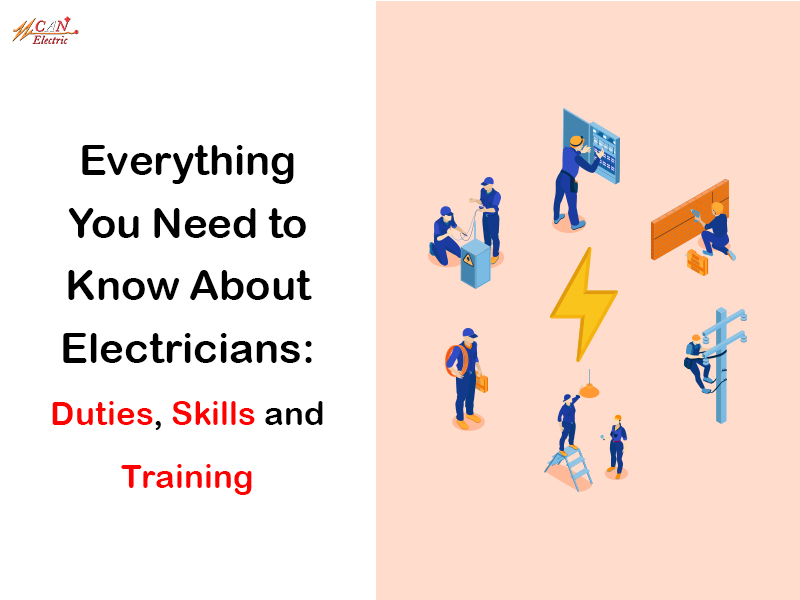
Electricians’ duties and tasks include, but are not limited to:
- Pulling, installing, terminating, splicing, and connecting wires
- Reading, interpreting, and implementing electrical drawings
- Repairing, maintaining, inspecting, and upgrading electrical systems
- Installing and repairing renewable and sustainable energy systems
- Installing, repairing, and upgrading lights and lighting systems
- Installing and repairing data, fibre optic, security, and fire alarm systems
- Installing, repairing, and upgrading wiring for power, heating, and cooling systems
- Installing, repairing, and upgrading wiring for communication systems
- Reading and implementing manufacturing specifications and instructions of electrical components and systems of machines and devices
- Installing, maintaining, and repairing electrical generators and power sources
- Cutting, threading, bending, and installing conduits and other electrical raceways
- Reading, understanding, and implementing local and national safety regulations
- Commissioning, testing, and inspecting electrical systems’ safety and integrity
- Inspecting, diagnosing, repairing, and replacing electrical systems & equipment
- Installing, repairing, and upgrading electrical parts of tools, equipment, and devices
- Inspecting and troubleshooting electrical wiring, devices, and systems
- Conducting preventive electrical inspections, diagnoses, and maintenance
- Upgrading electrical systems to 100 amps, 200 amps, 300amps, 400 amps and beyond
- Reading and implementing national electrical code and local electrical regulations
- Installing and maintaining power and control panels for power generation, distribution, and transmission systems
- Installing and repairing switchgear, breaker, contactor, relay, panel, fuse and more.
Some tools that electrician use include, but are not limited to saws, conduit benders, hacksaws, drills, knives, screwdrivers, wire strippers, pliers, etc.
Abilities and skills that will make you a better and qualified electrician
What makes an ideal candidate for becoming an electrician possesses a personality that finds satisfaction in working with their hands and machines, are good at math, and enjoy troubleshooting, by using tools and by planning.
An electrician can be employed by an electrical contractor or work they can work as self-employed. Self-employed electricians work independently or with other electricians and trade persons. These electricians might also need to work in challenging environments with heights and physically demanding areas.
A major factor that contributes to the success of the work of a team of electricians is giving safety the highest priority.
Other Proficiencies of Successful and Qualified Electricians:
- Quick learning and effective problem solving
- Communication and interpersonal skills
- Team playing and ability to work with others
- Utilizing computer, mathematics, and analytical skills proficiently
- Willing to learn and keeping up with the electrical technology advancements
Electricians’ Apprenticeship
Electrical apprenticeship combines two types of training, the first being on-the-job training as paid work under the supervision of a master electrician or a journeyperson electrician. The second type of electrical apprenticeship involves classroom studies.
Apprenticeship pre-requirements for electrician apprenticeship programs vary from province and territories. Most of them require a minimum of grade-12 or equivalent degree for someone to enter an electrician apprenticeship program. The program usually lasts between 4 and 5 years, and each year includes approximately 10 to 12 months of on-the-job training and 2 months of in-classroom training.
To officially become a certified electrician, one must pass the electrician certificate exam, which is not easy without knowledge of safety, electrical power, drawings, instructions, wirings, mathematics, national electrical code, and provincial electrical regulations and building codes.
An electrical apprentice will perform tasks, such as wiring, drilling holes, installing lights, conduits, plugs, and switches, as well as drawing electrical sketches and diagrams under the supervision of experienced electricians.
Some people might do pre-apprenticeship programs, which are a good start for entry level trainings that help you succeed on seeking electrical apprenticeship. For more information on electrical apprenticeship, Check our blog and article about different types of electricians.
Electrician Certification
Electrician certification is a mandatory requirement in all provinces and territories to work as an electrician. To become a certified electrician, you need to complete an apprenticeship program’s both on-the-job and in-class trainings and pass the required exams to earn your journeyman electrician certificate.
Writing and passing the Interprovincial Electrician exam (minimum of 70% to pass) will qualify you to work as an electrician anywhere in Canada as Red Seal journeyman electrician.
Our service electricians in Edmonton are in standby to serve you when you need us with all your commercial and residential electrical services and installations.
Electricians’ Working Environments
Electricians work in town, out of town, indoors and outdoors, and at residential, commercial, and industrial sites like homes, farms, businesses, factories, power plants, refineries, etc. Based on the type of work and how sensitive it is, special safety measures must be taken into account and followed to avoid work-related injuries and loss of lives and assets or to at least minimize the damages.
The typical workweek for electricians between 40 and 44 hours. And some companies and projects might require working evenings, nights, and weekends.
Also, for companies that provide 24/7 electrical services, electricians work shifts of 8 to 12 hours.
Electrician Trainings
Most successful electricians continue training after they achieve their journeyman electrician ticket to stay up to date with electrical code changes and improvements, industry growth and developments, and new technologies. Most important trainings that an electrician can take throughout his/her electrician career can be about electrical code changes, changes on provincial and territorial electrical regulations and building codes, safety regulations, new technologies, customer service, and managerial courses and education.
In addition, electricians can enrol in more advanced trainings like high voltage, low-voltage, data, video, voice, fire alarm, renewable and sustainable energies, and master electrician. For more information on electrician trainings, Check our blog and article about different types of electricians.
Master Electricians
Most provinces and territories require the electrical contractors to have a special license, which is called master electrician. For an electrician to qualify to take the master electrician exam, he/she will need to have a minimum of 7 to 8 years of practical work experience as an electrician and an apprentice. Then he/she will be eligible for taking the master electrician exam and become a master electrician, if they pass it.
For more information on master electrician, Check our blog and article about different types of electricians.
How to Become an Electrician
An electrician’s career starts with being hired by a qualified electrical contractor, who is willing to register you as an electrical apprentice and sign your blue book. Usually, electrical apprenticeship takes from 10 to12 months of on-job training and for 2 months of in-class technical training.
For the exact information on how to become an electrician and electrician apprentice in Alberta, please visit (https://tradesecrets.alberta.ca/get-started/).
For more resources and information about how to become an electrician and electrician apprenticeship in Alberta, please use the following links:
- Electrician apprenticeship (Entrance Requirements)
- Electrician apprenticeship (Exam Counselling Sheet)
- Electrician apprenticeship (Alberta Electrician Exam)
- Electrician apprenticeship (Entrance Exam Study Guide)
- Electrician apprenticeship (Entrance Level Competencies)
- Electrician apprenticeship (Apprenticeship Training Catalogue)
- Electrician apprenticeship (Electrician Certification in Alberta)
- Electrician apprenticeship (Becoming an Electrician in Alberta)
- Electrician apprenticeship (Financial Assistance for an Apprentice)
Even though there are tons of different kinds of electricians out there, finding and hiring a qualified electrician matters as it will save you quite some money and time.
Contact us today for a free electrical consultation and to see if we are the right electricians for your project. For more information on how to become an electrician, Check our blog and article about different types of electricians.
Residential Electrician
It’s an electrician who conducts a variety of electrical wirings, installations and services in apartments, high rises, homes, condominiums, and other residential facilities.
A residential electrician is well-trained on aspects of residential electrical wirings, installations and services, including staying up-to-date with technical advancements. Residential electricians also troubleshoot, maintain, and upgrade electrical wirings and systems.
Residential Electricians Main Tasks:
- Wiring and installing data systems
- Wiring and installing solar systems
- Diagnosing and fixing electrical issues
- Wiring and installing power systems
- Wiring and installing lighting systems
- Wiring and installing security systems
- Wiring and installing smart home systems
- Reading and implementing technical blueprints
- Wiring and installing entertainment systems
- Wiring and installing energy management systems
- Wiring and installing smoke and fire alarm systems
- Inspecting electrical systems to ensure they are safe and up-to-code
- Electrical upgrades (100-Amp and 200-Amp upgrades), and more.
Residential electrician services also include the following: Pot light installation, electrical panel changes, electrical panel upgrades, electrical service upgrades, A/C wiring, pig tailing, aluminum wiring, hot tub wiring, fuse box upgrades, and a lot more. At Can Electric, no job is too small nor too big for our Edmonton residential certified professional electricians, who serve homes, and apprentices, who thrive and work to be your trusted residential electricians. Contact us today for a FREE quote on your residential electrical wiring. Your family’s safety is our team of electricians’ top priority in all of our residential electrical work.
Commercial Electricians
Commercial electricians’ duties are like the residential electricians’, but mostly, they work in commercial settings. They also work on more complicated projects and higher safety procedures. A commercial electrician works on offices, stores, restaurants, medical clinics, warehouses, etc. They may also install power, lights, fire alarm, security, heating, cooling systems, etc.
They will also do inspections, troubleshoot electrical issues, and perform electrical upgrades for commercial electrical systems. Commercial electricians are usually asked to meet timelines and usually will work in evenings, weekends, and shift work.
Some duties of commercial electricians are:
- Installing power and lighting systems
- Installing and maintaining control systems
- Wiring, installing, and commissioning machinery
- Performing electrical inspections and quality control checks for safety and efficiency of electrical systems
- Upgrading, diagnosing, maintaining, and repairing electrical systems
- Reading, interpreting, and implementing electrical drawings and plans
- Applying national and local electrical codes and electrical safety regulations
Frequently asked Questions about Electricians
Is it good idea to become electrician? (Should I become an electrician?)
It depends on your life and career preferences. Becoming an electrician is one of great trades, considering wages and demand for electrical work. Also, if you can work with your hands, apply safety measures, pay special attention to details, have good eyesight, math skills, and technical abilities, then a rewarding career in electrical work awaits you. You’ll play a vital role in keeping homes and businesses safe and powered.
What are the steps to become Electrician?
Requirements for becoming an electrician are high school diploma and on-job and in-class-trainings, which are mandatory. Additionally, having electrical pre-apprenticeship training will help you and facilitate the process of becoming an electrical apprentice, and eventually an electrician.
How long does it take to become an electrician?
It all depends on a person’s ability to complete apprenticeship trainings, which usually takes between 4 and 5 years. Another factor to consider is your province, but most places require from 8000 to 9000 hours on job site trainings and from 600 to 800 hours on in-class trainings to become a journeyman electrician.
What are electricians like?
A certified electrician is a trade person who works on residential, commercial, and industrial electrical wirings, installations, and maintenances.
What are the differences between commercial & residential electricians?
Commercial electricians specialize in and mostly work on commercial electrical projects, compared to residential electricians, who specialize in and mostly work on residential electrical projects.
When is it time to call an electrician? When should I call an electrician?
When you have electrical issues, such as electrical overloading, electrical short circuits, or issues related to your electrical wirings and devices, you need to call qualified electricians. Another case would be when breakers are frequently tripping and when there are burned electrical outlets, smoke, smell, burning devices, flickering lights, faulty wiring, or any other electrical issues. At such times, you are recommended to call electricians immediately.
Who does electrical load calculation?
A master electrician will do load calculations for your home and business to make sure you have the right electrical service and electrical panel. Load calculating will be done prior to construction, or you can do it for current established building to see if it needs electrical upgrades. Furthermore, if you are adding new electrical parts or devices to your homes, like A/C, Hot tub, or legal suite, or if you are adding an extension or new equipment to your commercial building, then an electrical load calculation will be needed. Contact us today and our master electricians will do your load calculation according to Canadian electrical code. If you hire us for the job, you will get 50% discount on your load calculation.
How much load is safe to have on a circuit?
A circuit’s maximum load should be 80% or less of the total circuit capabilities to ensure having a safe and stable electrical system. If you have a 20-amp circuit, the safe operation for it will be 16 amps or less as its maximum load.
What should I do if my breaker is hot? What should I do if my breaker panel is hot?
You should immediately call an electrician and ask for professional electrical service for troubleshooting purposes. And to fix it, you may need to do a panel upgrade, replace the electrical panel, or just replace the breaker.
What is a surge protector, and do I need one?
Surge protector is an electrical device used to regulate your system voltage and prevent voltage fluctuations. If your electrical system has power fluctuations or power surge, you will need a surge protector to install by certified electricians.
Do electricians understand both direct and alternating current?
Most electricians will have a good understanding of both AC (alternating current) and DC (direct current). DC and AC are types of electrical current that flow in a circuit. DC current flows in one direction whereas AC current constantly changes direction.
If you are looking for reputable electricians with required qualifications and experiences, who will serve you fairly, please contact us today.